Fall Skincare Transition: How to Reset and Protect Your Glow
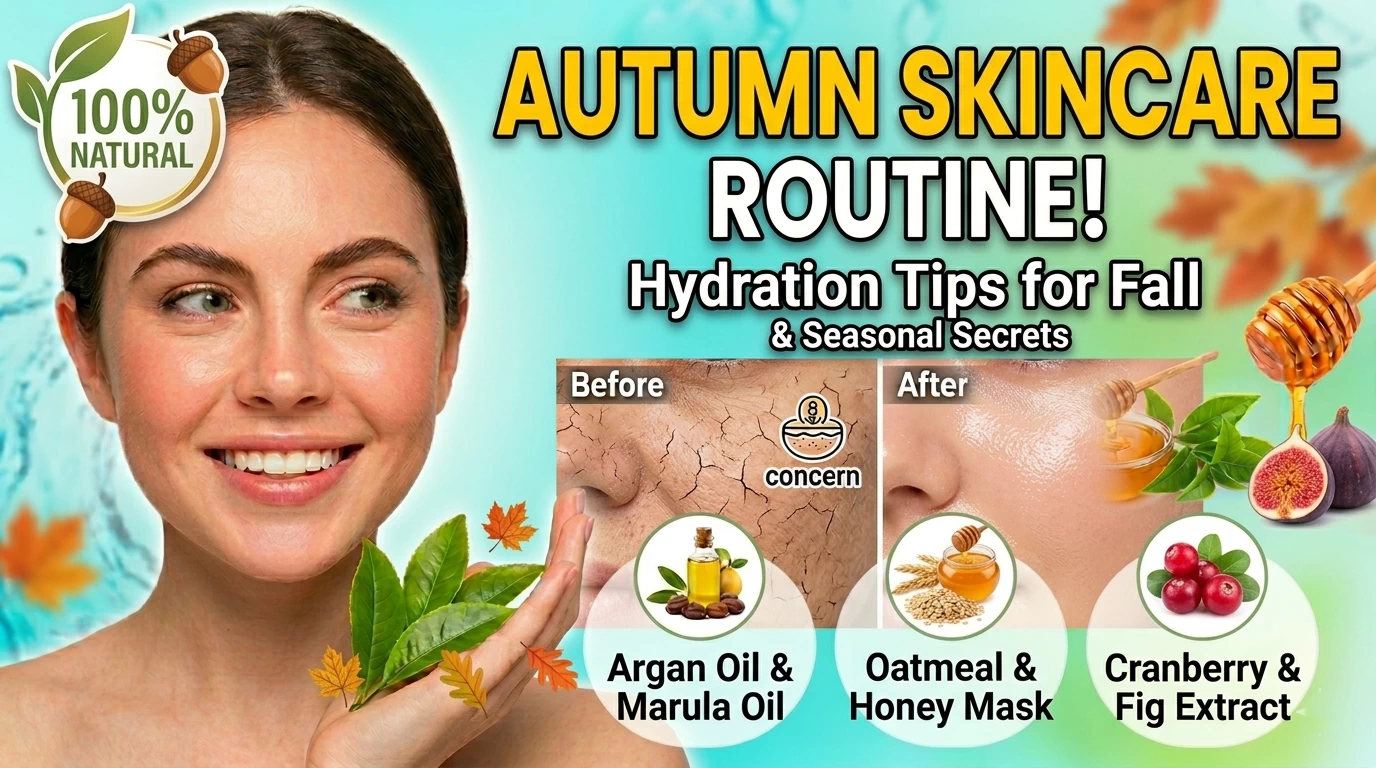
Autumn skincare routine is essential to protect your skin from dryness, dullness, and seasonal changes during the fall months.
As the humidity of summer fades into the crisp, cool air of fall, your skin undergoes a significant transition. The drop in temperature, combined with biting winds and the introduction of indoor heating, can lead to a weakened skin barrier, increased sensitivity, and “seasonal dullness.”
In the skincare world, fall is considered the “Repair and Prep” season. It is the time to heal summer sun damage and fortify your skin for the harsh winter ahead. Here is how to navigate the transition.
1. The "Hydration Anchor" Strategy
In summer, lightweight gels are enough. In the fall, you need products that act as an “anchor” to hold moisture in the skin as the air dries out.
The Tip: Transition to a lipid-rich moisturizer containing Ceramides and Fatty Acids.
Why it works: These ingredients mimic the skin’s natural oils, filling in the microscopic “cracks” in the skin barrier caused by cool air and low humidity.
2. Introduce "Gentle Brighteners"
Summer often leaves behind a souvenir in the form of hyperpigmentation or sunspots. Fall is the safest time to treat these.
The Tip: Incorporate Vitamin C or Niacinamide into your morning routine.
Why it works: These antioxidants help fade dark spots and even out skin tone. Because UV levels are slightly lower in autumn, your skin is less likely to experience the sensitivity sometimes associated with brightening actives.
3. Swap Physical Scrubs for Chemical Exfoliants
Cooler weather makes skin more prone to micro-tears from harsh physical scrubs.
The Tip: Use a gentle Lactic Acid or Mandelic Acid exfoliant once or twice a week.
Why it works: Alpha Hydroxy Acids (AHAs) like Lactic Acid are humectants—they dissolve dead skin cells while simultaneously drawing moisture into the skin, preventing the “flaky” look common in October and November.
4. Don't Store Your SPF
A common mistake is thinking the sun is “gone” once the leaves change.
The Tip: Continue using a broad-spectrum SPF 30.
The Reasoning: UVA rays (the ones responsible for aging and collagen breakdown) are just as strong in the fall as they are in the summer. They penetrate through clouds and glass windows with ease.
5. Lip and Eye Care Focus
The skin around your eyes and on your lips is the thinnest on your body and has the fewest oil glands, making it the first to chap in the fall.
The Tip: Switch to a thick, petrolatum or beeswax-based lip balm and a richer eye cream at night.
Pro Tip: Apply your lip balm before you head outside to create a physical shield against the wind.
Frequently Asked Questions (FAQ)
Why does my skin feel itchy when it gets cold?
This is often "winter itch" starting early. It’s caused by Transepidermal Water Loss (TEWL). When the air is dry, it literally sucks the moisture out of your skin. Using a humidifier indoors can help combat this.
Can I still use Retinol in the fall?
Yes! Fall is actually the best time to start or increase your Retinol usage because you are less likely to have intense sun exposure, which can irritate Retinol-treated skin. Just ensure you are moisturizing heavily to offset any dryness.
What is the best fall ingredient?
Squalane is a fall superstar. It’s a stable, lightweight oil that provides deep hydration without feeling greasy, making it perfect for layering under makeup or over your moisturizer.
Fall skincare is all about recovery and protection. By switching to a creamier cleanser, adding a barrier-repairing moisturizer, and staying consistent with your SPF, you can enjoy the crisp autumn weather without sacrificing your skin’s health.
AI-Enhanced Brand Localization: The High-Ticket Service Niche Scaling Global Brands Why Direct Translation Is Killing International Sales AI Brand Localization...