The Star-Gazer’s Guide to Regenerative Travel: 5 "Dark Sky" Destinations Resetting the Planet
Trading City Lights for Cosmic Restoration
Looking for the best regenerative travel destinations in 2026? From eco-friendly stargazing cabins in Scotland to luxury astro-tourism in Jordan’s Wadi Rum desert, these sustainable travel experiences combine nature, wellness, and unforgettable night skies.
By mid-2026, the “Digital Fatigue” crisis has reached an all-time high. Travelers are no longer just looking for a beach; they are looking for silence, darkness, and a way to give back.
Enter Regenerative Astro-Tourism. This isn’t just looking at stars—it’s visiting destinations where your stay directly funds light-pollution reduction and local wildlife habitat restoration. It’s the ultimate “quiet luxury” for your soul and the earth.
1. The Karoo, South Africa (The Giant’s Eye)
Home to some of the world’s most powerful telescopes, the Karoo is now offering “Carbon-Negative Stargazing” tours. Your booking helps re-wild the local shrubland, which is essential for capturing carbon in this arid climate.
2. Galloway Forest Park, Scotland (The Darkest Green)
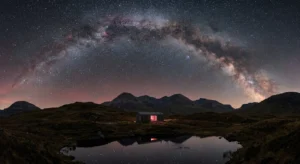
As the UK’s first Dark Sky Park, Galloway has pioneered “Bat-Friendly Tourism.” Travelers stay in eco-cabins designed to minimize light spill, protecting rare nocturnal species while offering a 360-degree view of the Milky Way.
3. Wadi Rum, Jordan (The Mars Restoration Project)
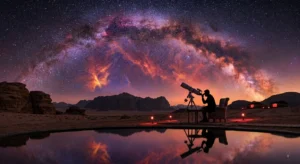
Beyond the “Glamping” hype, a new wave of regenerative hosts is using tourism revenue to restore ancient water-harvesting systems used by Bedouin ancestors, ensuring the desert ecosystem survives for another millennium.
How to Pack for an Astro-Trip
Red-Light Gear: Use a red-light headlamp to preserve your “scotopic” (night) vision and avoid disturbing local wildlife.
The “Leave No Trace” App: Use the 2026 SkyRestore App to log light pollution levels in your area, contributing to global scientific data.
FAQ:
Is "Astro-Tourism" expensive?
While luxury observatories exist, many Dark Sky Parks are free to enter. The "regenerative" cost often comes in the form of a small "Nature Fee" included in your eco-lodge stay.
When is the best time for a "Dark Sky" trip?
Always aim for the New Moon (the phase when the moon is invisible). Check a 2026 lunar calendar before booking to ensure the sky is at its darkest.
What is the difference between sustainable and regenerative travel?
Sustainable travel aims to "do no harm." Regenerative travel aims to leave the place better than you found it by actively funding local restoration or conservation projects.