Making Rice Without Rice Cooker: The Foolproof Stovetop Method
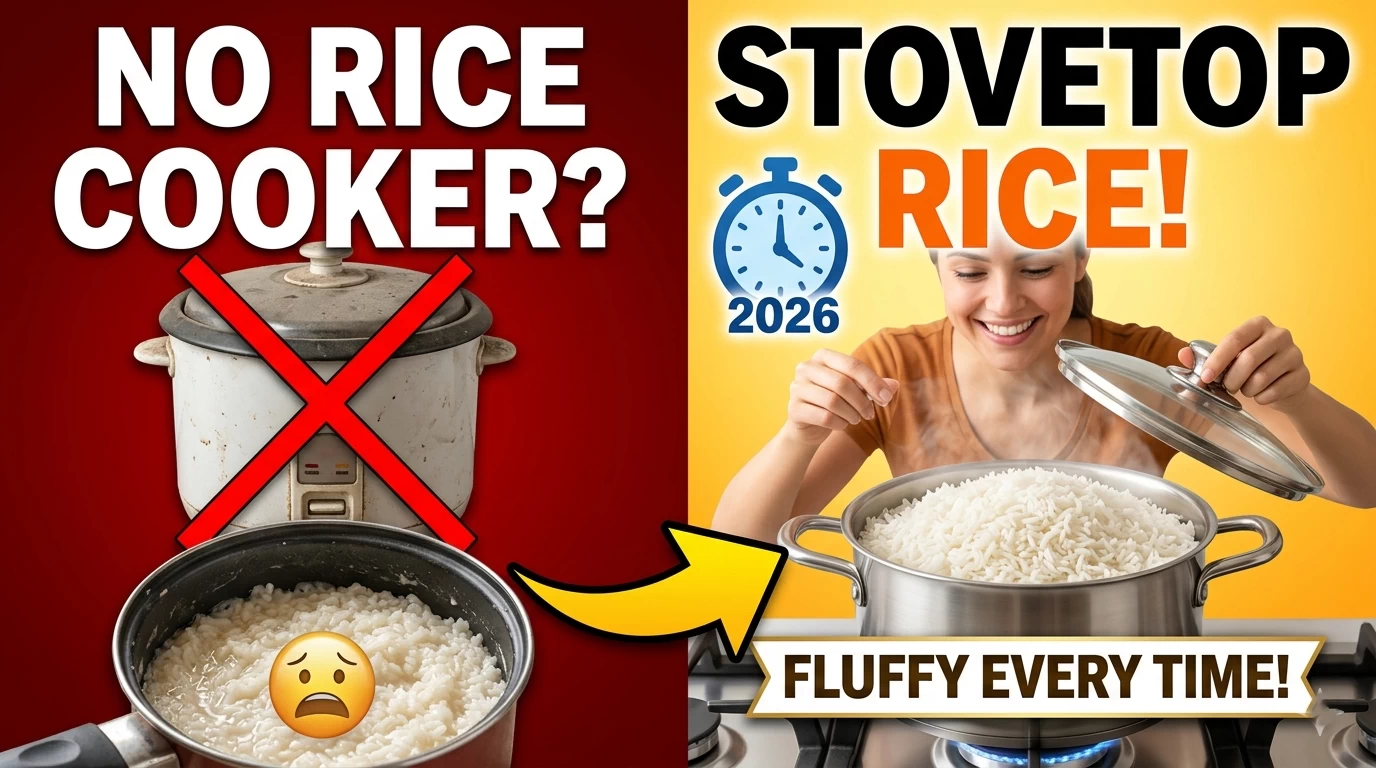
A common kitchen myth is that you need a specialized gadget to achieve restaurant-quality grains. In reality, making rice without rice cooker is a simple kitchen skill that delivers perfectly fluffy grains using the stovetop method. You don’t need any special equipment to get restaurant-quality rice at home. Whether your appliance broke or you’re trying to save counter space, the stovetop method is faster, just as reliable, and gives you more control over the texture.
In this guide, I’ll walk you through the precise science of the absorption method. We’ll cover the “golden ratio” and the one mistake that ruins most stovetop pots.
Before we get into the steam and simmer, remember that great rice is the foundation of a healthy lifestyle. If you’re looking for ways to use your perfect grains, check out our or our . And for a complete nutritional day, don’t miss our guide on and the .
The Physics of Perfect Stovetop Rice
The reason rice cookers work is they monitor the temperature; once the water is absorbed, the temperature rises above $100°C$ ($212°F$), signaling the machine to stop. When cooking on a stove, you are the sensor
Step-by-Step: How to Cook Fluffy Rice Every Time
1. The Rinse (Non-Negotiable)
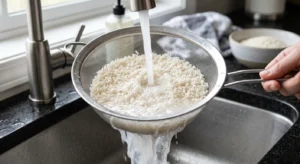
Place your dry rice in a fine-mesh strainer and rinse under cold water until the water runs clear. This removes excess surface starch, which is the primary cause of gummy, sticky rice.
2. The Golden Ratio
For most long-grain white rice (Basmati, Jasmine), use the 1:1.5 ratio.
1 Cup Rice
1.5 Cups Water
A pinch of salt (enhances the grain’s natural aroma)
3. The Boil and Simmer
Combine water and rice in a heavy-bottomed pot.
Bring to a rolling boil uncovered.
Once boiling, turn the heat to the lowest possible setting and cover with a tight-fitting lid.
4. The "No-Peep" Rule
Do not lift the lid. Not even once. Making rice without rice cooker relies on trapped steam. Lifting the lid lets the pressure out and lowers the temperature, resulting in unevenly cooked grains. Simmer for 15–18 minutes.
5. The Rest (The Secret Step)
After the time is up, remove the pot from the heat but keep the lid on. Let it sit for 10 minutes. This allows the moisture to redistribute, making the grains firm yet fluffy.
Pro Tips for Information Gain
As an expert in kitchen efficiency, I recommend these “insider” adjustments to elevate your rice:
The Toasting Trick: Before adding water, sauté the dry rice in a teaspoon of butter or olive oil for 2 minutes. This creates a nutty flavor and helps keep grains separate.
The Tea Towel Hack: If your lid isn’t perfectly tight, place a clean tea towel between the pot and the lid. This creates a “super-seal” that traps 100% of the steam.
Check the Pot: Always use a pot with a heavy base. Thin pots create “hot spots” that burn the bottom layer of rice before the top is done.
FAQ
How much water do I need for 1 cup of rice on the stove?
Why is my stovetop rice always mushy?
Can I make rice without rice cooker using a microwave?
Do I need to soak the rice before cooking?
Final Thoughts: Master the Pot
Once you’ve mastered making rice without rice cooker, you’ll never feel limited by your kitchen tools again. It’s a faster, more traditional way to cook that connects you more deeply with the process of preparing your food.
Did your rice turn out fluffy? Share your stovetop success in the comments below!