-
by
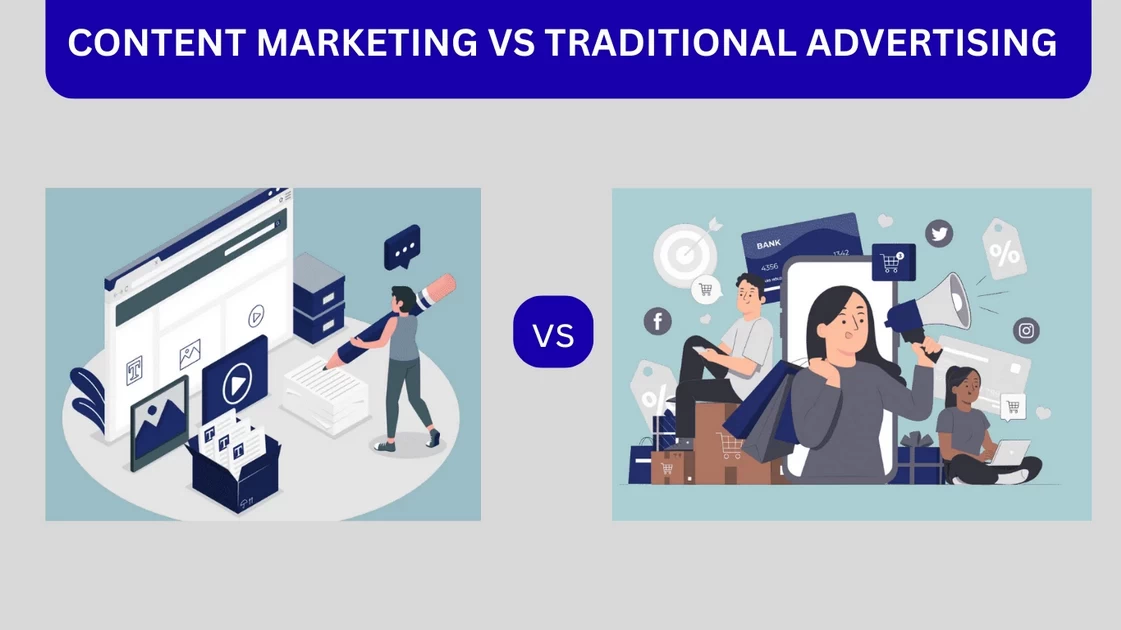
In today’s fast-paced business world, companies are constantly seeking effective ways to reach their target audience, build brand awareness, and drive sales. Two prominent approaches dominate the marketing landscape: Content Marketing vs Traditional Advertising. Understanding the nuances of Content Marketing vs Traditional Advertising, including their benefits, differences, and how they integrate with digital marketing strategies, is crucial for business success.
👉Why Every Brand Needs a Digital Marketing Strategy
Whether you are a small business owner or a marketing professional, knowing when to use Content Marketing vs Traditional Advertising along with digital marketing techniques can save time, optimize budgets, and generate better results. This guide will explore everything you need to know about Content Marketing vs Traditional Advertising and digital marketing to make a well-informed decision for your business growth.
🚀Trichy’s Ultimate Digital Marketing Course – Master SEO, Social Media & More with Digital!
What Is Content Marketing?
Content Marketing is a strategic approach centered on creating and distributing valuable, relevant, and consistent content to attract and retain a defined audience. Unlike traditional advertising, content marketing does not directly push a product or service; instead, it focuses on building trust and long-term relationships.
Examples of content marketing include:
Blog posts and articles
Infographics and ebooks
Video tutorials and webinars
Social media posts and interactive quizzes
When executed effectively, content marketing positions a brand as an authority in its niche. For instance, a fitness company may publish blogs on nutrition, exercise routines, and wellness tips. Over time, this builds credibility and encourages customers to choose the brand when they need related products or services.
With the rise of digital marketing, content marketing has gained unprecedented reach. Tools like social media, search engine optimization (SEO), and email campaigns allow brands to connect with audiences in ways traditional advertising cannot.
👉“Learn How Content Marketing Builds Long-Term Brand Trust”
What Is Traditional Advertising?
Traditional Advertising refers to older methods of marketing that have been used for decades. These include:
Television commercials
Radio advertisements
Print media (newspapers, magazines, brochures)
Billboards and outdoor signage
Traditional advertising focuses on promoting products or services directly to a broad audience. The goal is immediate recognition and response, often through a single compelling message.
While traditional advertising can reach large audiences quickly, it has several limitations:
High production and distribution costs
Difficulty in tracking ROI accurately
Limited personalization for specific audience segments
Short-term impact once the campaign ends
Despite these challenges, traditional advertising remains effective for brand awareness, particularly in industries where mass appeal is important.
Content Marketing vs Traditional Advertising: Key Differences
Understanding the key differences between Content Marketing vs Traditional Advertising is essential for making strategic decisions.
Aspect | Content Marketing | Traditional Advertising |
|---|---|---|
Focus | Providing valuable, informative, or entertaining content | Direct promotion of products or services |
Audience Targeting | Niche targeting using digital marketing analytics | Broad audience with limited personalization |
Cost | Generally lower; content can be repurposed | Often expensive, especially TV and print ads |
Engagement | Builds long-term relationships | Short-term attention-grabbing |
ROI Measurement | Easily trackable via digital marketing tools | Hard to measure accurately |
Longevity | Evergreen content can drive traffic over time | Ads are temporary, lasting only as long as the campaign |
Trust | Builds credibility and authority | May be perceived as overly promotional |
Flexibility | Easily adjusted and optimized | Limited once the ad is launched |
Benefits of Content Marketing vs Traditional Advertising
Both approaches bring unique advantages to the table, and understanding them helps businesses leverage each effectively.
Benefits of Content Marketing
Builds Trust and Authority: Sharing valuable insights and solutions strengthens your brand reputation.
Supports Digital Marketing Efforts: SEO, social media, and email marketing amplify your reach.
Generates Leads Naturally: Customers who find value in your content are more likely to convert.
Cost-Effective: Compared to TV or print ads, content marketing is often more affordable.
Long-Term Value: Blogs, videos, and guides continue to attract traffic over months and years.
💡Maximizing ROI from Content Marketing and Digital Campaigns
Benefits of Traditional Advertising
Immediate Exposure: Ads can quickly generate widespread awareness.
Brand Prestige: High-budget campaigns can enhance brand image and perceived credibility.
Simplicity: Messages are concise, often requiring little engagement from the audience.
Mass Reach: Effective for products or services with a broad target demographic.
Complementary to Digital Marketing: Traditional ads can drive audiences to online platforms, enhancing engagement.
Choosing the Right Strategy
When deciding between Content Marketing vs Traditional Advertising, consider your business objectives, audience, and budget.
1. Define Your Goals
If your goal is long-term engagement, brand trust, and organic growth, prioritize content marketing.
If your objective is rapid brand recognition or promoting a short-term offer, traditional advertising may be more suitable.
2. Know Your Audience
Younger consumers often respond better to digital marketing campaigns and online content, whereas older demographics may still rely on TV, radio, or print. Understanding your audience behavior ensures you select the right channels.
3. Evaluate Your Budget
Content marketing requires less upfront investment, especially when using digital marketing platforms. Traditional advertising often involves significant production and placement costs.
4. Measure Performance
Digital marketing tools allow businesses to track traffic, engagement, and conversions from content marketing campaigns, providing clear ROI insights. Traditional advertising’s results are harder to quantify, making adjustments less precise.
Integrating Content Marketing vs Traditional Advertising
The most successful businesses often combine both strategies, leveraging the power of Content Marketing vs Traditional Advertising. Integration allows brands to capitalize on the strengths of Content Marketing vs Traditional Advertising and create a more cohesive marketing approach.
For example:
Launch a TV ad campaign while driving viewers to an informative blog or video series, demonstrating the benefits of Content Marketing vs Traditional Advertising.
Use print ads to encourage sign-ups for newsletters or exclusive content, showing how Content Marketing vs Traditional Advertising can work together for engagement.
Coordinate social media campaigns to reinforce traditional advertising messages while supporting Content Marketing vs Traditional Advertising efforts.
By combining Content Marketing vs Traditional Advertising, businesses can achieve both immediate reach and long-term engagement, maximizing ROI across all channels and ensuring a well-rounded marketing strategy.
Digital Marketing’s Role in Content Marketing vs Traditional Advertising
The most successful businesses often combine both strategies, leveraging the power of Content Marketing vs Traditional Advertising and integrating digital marketing techniques. This approach allows brands to capitalize on the strengths of Content Marketing vs Traditional Advertising while using digital marketing to amplify reach and engagement.
For example:
Launch a TV ad campaign while driving viewers to an informative blog or video series, demonstrating the benefits of Content Marketing vs Traditional Advertising supported by digital marketing channels.
Use print ads to encourage sign-ups for newsletters or exclusive content, showing how Content Marketing vs Traditional Advertising can work hand-in-hand with digital marketing strategies for better engagement.
Coordinate social media campaigns to reinforce traditional advertising messages while boosting Content Marketing vs Traditional Advertising efforts through digital marketing.
By combining Content Marketing vs Traditional Advertising with digital marketing, businesses can achieve both immediate reach and long-term engagement, maximizing ROI across all channels and ensuring a well-rounded, modern marketing strategy.
Case Studies: Success with Integrated Strategies
Case Study 1: A Tech Startup
A software company wanted to promote its new app and implemented a strategy combining Content Marketing vs Traditional Advertising with digital marketing. They focused on leveraging the strengths of Content Marketing vs Traditional Advertising while amplifying results through digital marketing channels.
Publishing blog tutorials and explainer videos to showcase Content Marketing vs Traditional Advertising in action and engage audiences through digital marketing platforms.
Running radio and TV spots to support Content Marketing vs Traditional Advertising efforts while using digital marketing to track engagement and conversions.
Using social media and search ads as part of their digital marketing strategy to further boost the reach of Content Marketing vs Traditional Advertising campaigns.
Result: By integrating Content Marketing vs Traditional Advertising with digital marketing, the app gained widespread awareness, high download rates, and built a loyal user base within six months.
Case Study 2: An E-commerce Brand
A fashion e-commerce brand launched an eco-friendly clothing line and implemented a strategy combining Content Marketing vs Traditional Advertising with digital marketing. Their multi-channel approach highlighted the strengths of both strategies while using digital channels for broader reach.
Content marketing: Blog posts on sustainable fashion and Instagram stories engaged audiences and supported the campaign’s message.
Traditional advertising: Magazine ads in lifestyle publications reinforced the campaign and complemented the online content.
Digital marketing: Retargeting ads, email campaigns, and social media promotions amplified the reach and ensured measurable results.
Result: By integrating Content Marketing vs Traditional Advertising with digital marketing, the campaign increased website traffic by 250% and drove significant social engagement. This demonstrates how combining these strategies can deliver strong, measurable outcomes for modern brands.
Tips for Maximizing Content Marketing vs Traditional Advertising
Know Your Audience: Use analytics to understand demographics, preferences, and behaviors.
Create Compelling Content: Whether online or offline, content should solve problems or entertain your audience.
Be Consistent: Regularly publishing content builds trust and brand recall.
Track ROI: Monitor metrics to determine what works and adjust strategies accordingly.
Integrate Channels: Use digital marketing to reinforce traditional advertising messages for maximum impact.
Stay Updated: Trends in digital marketing and consumer behavior evolve rapidly. Keep your campaigns fresh and relevant.
Conclusion
Choosing between Content Marketing vs Traditional Advertising depends on your business goals, audience, and resources.
Content marketing, supported by digital marketing, is ideal for building long-term trust, engaging audiences, and generating sustained traffic.
Traditional advertising remains valuable for mass exposure, immediate results, and brand prestige.
The most successful strategy combines both approaches. By integrating Content Marketing vs Traditional Advertising with digital marketing tools, businesses can achieve both visibility and engagement, ensuring measurable results and long-term growth.
Still stuck with outdated ads? 📺
It’s time to elevate your business with digital marketing that truly connects. Follow Bloomings.in for expert strategies, success tips, and creative inspiration to grow your brand online. 🚀
FAQ
What is the main difference between content marketing and traditional advertising?
Content marketing focuses on providing valuable, informative content to build trust, while traditional advertising promotes products or services directly to a broad audience.
Can digital marketing enhance both content marketing and traditional advertising?
Yes. Digital marketing amplifies reach, enables precise targeting, tracks ROI, and complements traditional advertising for better results.
Which approach is more cost-effective for small businesses?
Content marketing, supported by digital marketing, is generally more cost-effective and offers long-term benefits compared to traditional advertising.
Is traditional advertising still relevant in the digital age?
Yes. Traditional advertising is effective for mass awareness, especially when integrated with digital marketing strategies.
How can businesses measure content marketing effectiveness?
Using digital marketing tools like Google Analytics, social media insights, and email metrics to track traffic, engagement, and conversions.
-
byKarthika S
-
September 20, 2025
Tags:
You May Also Like

-
Jan 27, 2026
In a twist for a technology many of us assumed would only ever get cheaper, solid-state drives (SSDs) and other...
-
Oct 27, 2025
When you publish a new post in WordPress, automatic pinging in Rank Math ensures your website instantly notifies Google and...

-
Oct 5, 2025
Do you want to learn how to write engaging blog posts that rank on Google? Many new bloggers feel lost...

-
Oct 4, 2025
In today’s fast-paced world of digital marketing, having powerful and reliable content writing tools is absolutely essential. Whether you’re creating...
Sign up to receive our latest updates
Get in touch
Address
152A, Annavalaivu, Thuvakudimalai, Tiruchirappalli, Tamil Nadu – 620 022
Landmark : Near Post Office
Landmark : Near Post Office
bloomingtutorial@gmail.com
